
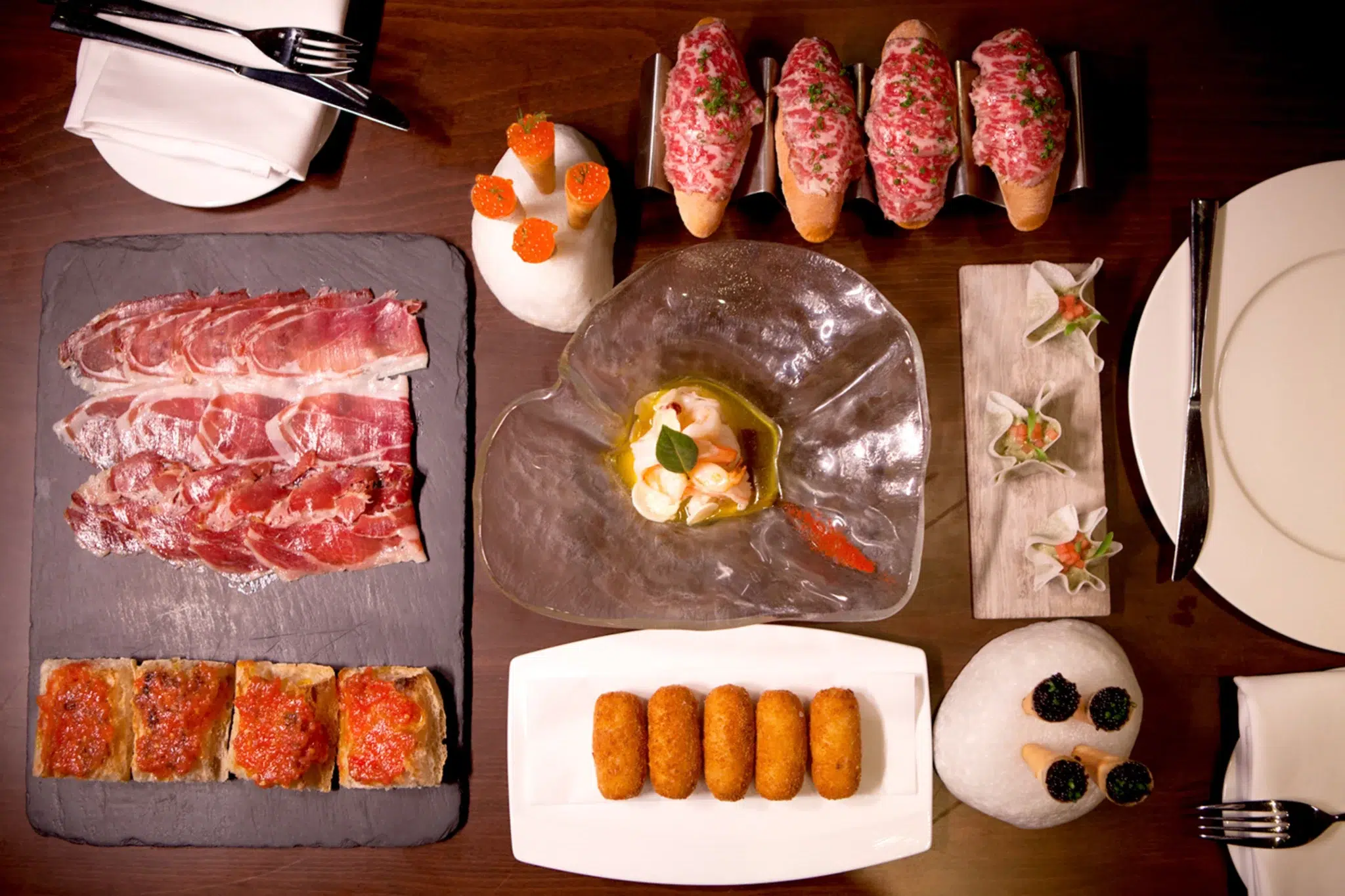
SHOOTING FOOD: SOUP TO NUTS
CONNECTICUT · ALL AGES
Learn to photograph food that looks as good as it tastes.
Great food photography is about more than what’s on the plate. It’s about choosing light, color, texture and composition with every frame so the viewer can almost taste it.
In this hands-on workshop, we’ll cover a variety of lighting choices, beginning with simple natural-light setups you can use at home. We’ll also introduce tools like reflectors and modifiers to shape light and create mood, while exploring the camera settings that help achieve the look you want.
We’ll explore a range of styles: clean ingredient shots, moody plated dishes, close-up details and lifestyle scenes. We’ll experiment with angles, backgrounds, props and styling to see how small changes make a big difference.
Whether it’s a simple ingredient, a beautifully prepared meal or something you cooked yourself, you’ll leave with the skills and confidence to create mouth-watering photographs.
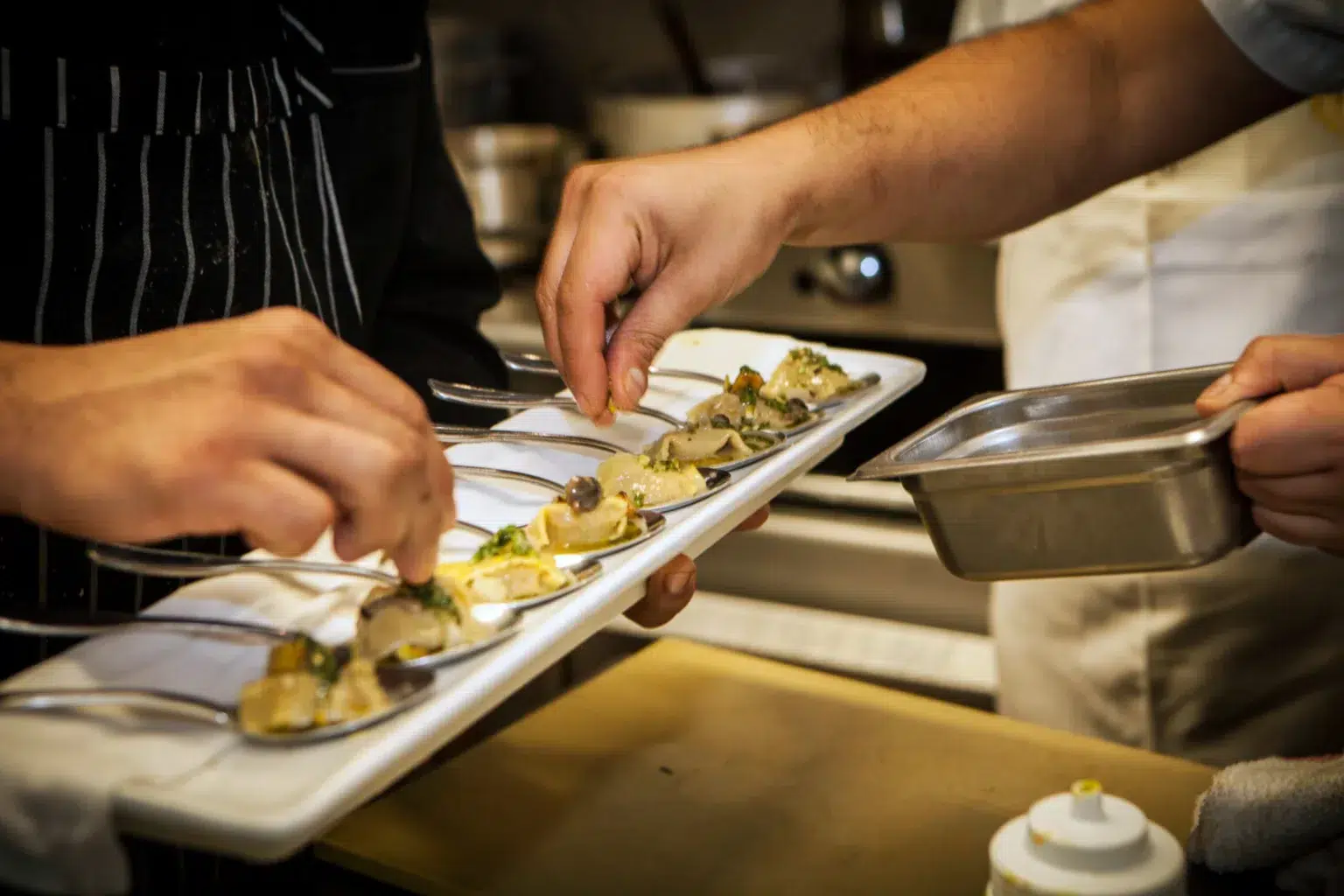

WHAT YOU’LL LEARN
- Different lighting setups you can use at home
- Shaping light with reflectors and modifiers
- Composition, camera angles and perspective
- Camera settings to achieve your creative vision
- Styling with backgrounds, props and color
- Capturing texture, detail and mood
- Basic editing to make your images pop
WHAT TO BRING
Camera + charged battery + SD card
WORKSHOP DETAILS
Ages: All Ages
Date: TBD
Experience: All experience levels
Class size: Maximum 8 students
Location: Connecticut · TBD
Tuition: TBD
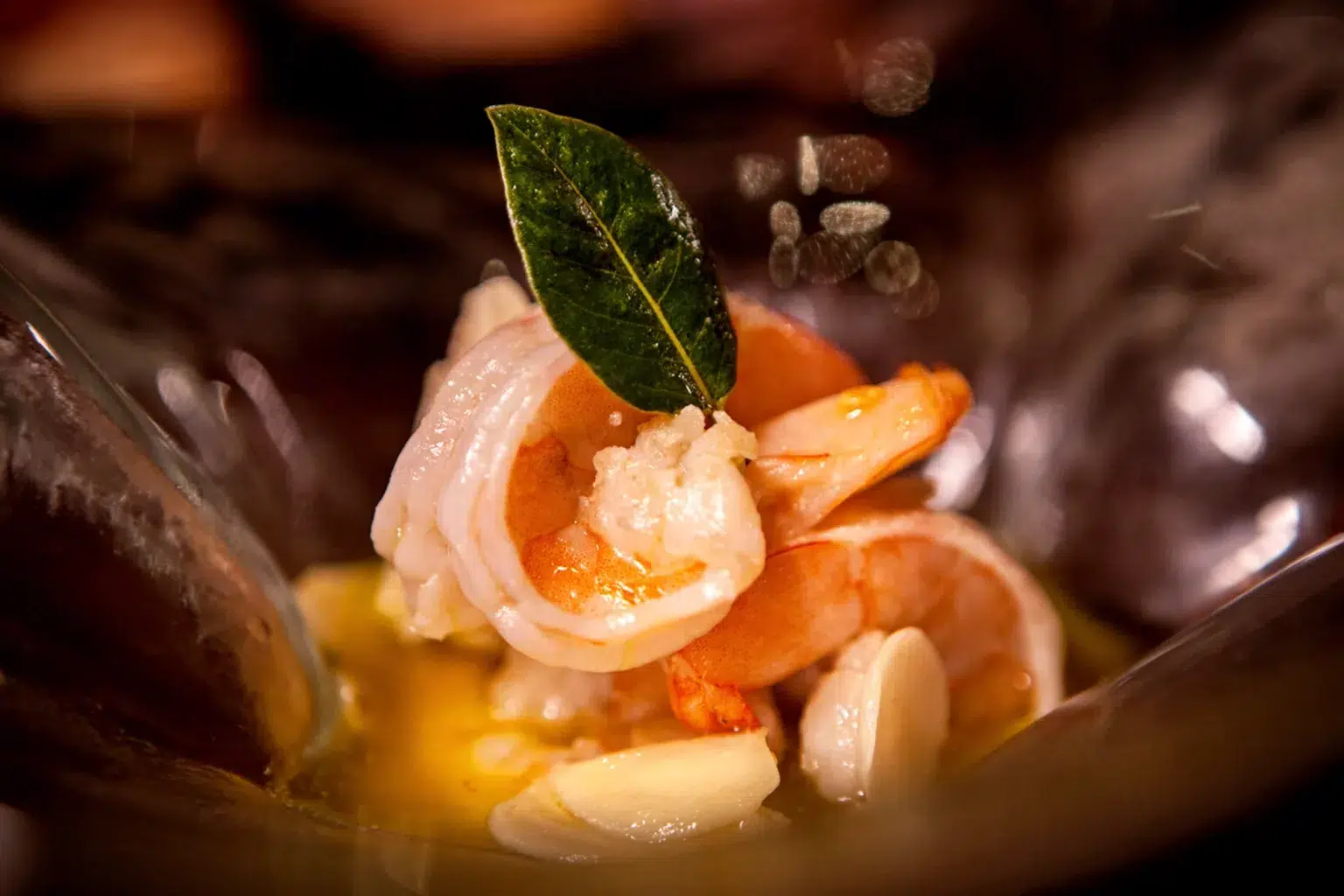
how the workshop works
LOOK
We’ll study great food photographs and break down how light, composition and styling shape the way we see food.
SHOOT
We’ll photograph a variety of dishes, experimenting with light, angles, backgrounds and props until the food looks good enough to eat.
REVIEW
We’ll review our photos together, discuss what worked and explore how small adjustments can make an image even stronger.



LOCATION
Weston, CT
Exact location provided upon enrollment.
Parking
Parking details provided before the workshop.
QUESTIONS
Yes. Students should bring their own camera with a fully charged battery and memory card.
The Studio Lighting workshop requires a DSLR or mirrorless camera with a hot shoe and the ability to shoot manually.
Any digital camera that allows you to control the basic camera settings will work. If you’re unsure whether your camera is appropriate, contact us before enrolling.
Yes. You’ll go home with anything you create.
Workshops require a minimum of three participants. If a workshop is canceled due to insufficient enrollment, participants will receive a full refund or may transfer to another available date.
If you cancel your enrollment, refunds are made as follows:
– More than 3 weeks before the workshop begins: full refund, less a cancellation fee 4% of tuition.
– 1–3 weeks before the workshop: 50% refund
– Less than 1 week before the workshop: non-refundable
– Once the program has begun, tuition is non-refundable, but unused sessions may be credited toward a future workshop.
Workshop credit is available through the following year.
Full details are under Withdrawals & Refunds on our Policies page.